
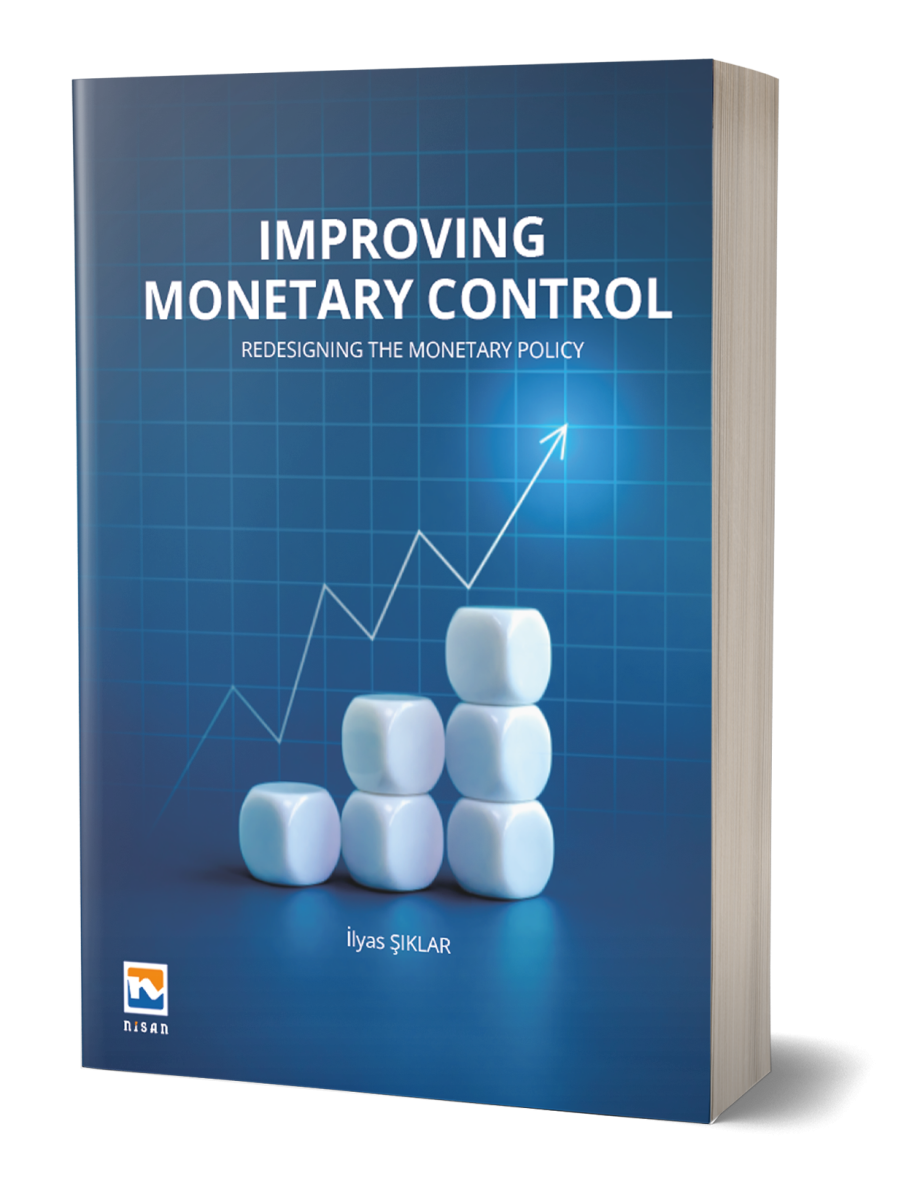
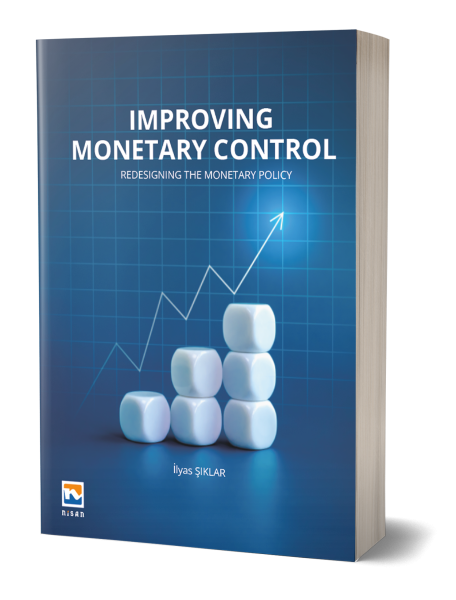
Improving Monetary ControlRedesigning The Monetary Policy
Yazının devamı
INTRODUCTION
For many years, economists have researched the effects of central bank measures on the economy. Particularly after the 1970s, when inflation became a prominent issue, the concept of "monetary control" played a significant role in shaping the strategies and policy decisions of central bank monetary policy. This development has prompted discussions about the most effective indirect policy tools for establishing appropriate targets and enabling central banks to maintain monetary control. Among these discussions, some extreme suggestions have surfaced, including abolishing the discount window system or increasing required reserve ratios to 100 percent to achieve effective monetary control. This study aims to illustrate how the central bank can use traditional indirect policy tools for monetary control and the strategy it will adopt for their implementation. This approach to monetary policy prompts discussions about its effectiveness. Different theoretical perspectives on the economic targets that central banks can achieve in both the short and long term have yielded varied results, contributing to the development of what we now call "monetary policy theory." The expanding literature on this subject requires a summary of these theories to be included in our study. The study is organized into ten chapters. The first five chapters examine indirect monetary policy instruments and the challenges associated with monetary control mechanisms. Chapter one, titled “Free Reserves and Monetary Control,” introduces the concept of non-borrowed reserves, a topic that is seldom addressed in Turkish monetary policy literature. It also explores the potential for central banks to use the banking system's free reserves for monetary control. The second chapter, titled "Discount Policy and Monetary Control," explores the use of the rediscount window—a tool that has often been overlooked in recent years and is frequently discussed in reform proposals—as a means of achieving monetary control. It evaluates the potential effects of these reform proposals and considers whether they could improve the effectiveness of this policy. The third chapter, "Required Reserve Policy and Monetary Control," examines how required reserves, which impose substantial costs on the banking system, can be utilized to manage the money supply by analyzing their influence on the money multiplier and the monetary base. This section examines the efficiency changes brought about by the proposed reforms in the system. The fourth chapter discusses open market operations, which are widely regarded as the most flexible and effective tools in central banking, and outlines their use for monetary control. We will focus solely on the open market strategies that should be implemented for this purpose, rather than delving into the reasons why these transactions are considered the most effective. The first four chapters provide a detailed discussion on using these instruments for monetary control. In the fifth chapter, this information is synthesized into a comprehensive mechanism for determining the money supply. Non-technical readers can skip this section, which includes technical analysis, without hindering their understanding of the subsequent sections. The sixth and seventh chapters of this study focus on the targeting strategies adopted by central banks in developed countries over the past 25 years. Chapter six, titled “Selection of Monetary Policy Tool,” explores which instruments discussed in earlier chapters can be used by central banks and the conditions under which they can be employed. It highlights that the choice of tools is not simply a matter of preference; instead, it should be guided by the current economic conditions. Chapter seven examines the fundamental principles behind the targeting strategies that central banks use to achieve their ultimate objectives. This section asks, “Should the interest rate or the money supply be used as a target?” It aims to explore this question within the given constraints. The most compelling aspect of this chapter is its examination of the economic consequences that arise from a flawed targeting strategy. It is important to note that while targeting strategies, which underpin monetary program implementations, are primarily discussed in the short term, the long-term effectiveness of monetary policy is not covered in this section. Three titles that we have specifically selected from the development that we call the theory of monetary policy constitute the subject of the last three sections of the study. In the eighth chapter, titled “Identification of Monetary Policy,” the necessity of distinguishing the behavior of the central bank from the behavior of private economic units is discussed, and the “central bank (or money supply) reaction function,” which has been the subject of many empirical studies in recent years, is addressed at a rather simplified level. This section discusses the use of the aforementioned reaction function for monetary control. Chapter nine serves as a survey that summarizes the long-term effectiveness of monetary policy, tracing its evolution from classical quantity theory to real business cycle theory. It also explores whether money is super neutral. Additionally, this section offers a summary of interpretations from recent studies on the topic, which will be especially valuable for readers interested in contemporary debates surrounding monetary policy theory. The final section of the study examines the credibility of central banks, a vital issue in contemporary Turkey. It emphasizes the time inconsistency problem, which reveals the credibility challenges faced by these institutions, and explores potential solutions to the ongoing credibility crisis. Importantly, we conclude that none of the proposed solutions are cost-effective; rather, the issue can only be effectively addressed through a long-term approach. This study has been designed primarily to address the resource needs of graduate students. However, the structure of each chapter also allows readers with specific interests to gain valuable insights. I trust that this book will be beneficial to all who engage with it.
İlyas ŞIKLAR Eskişehir, 2025
- Açıklama
INTRODUCTION
For many years, economists have researched the effects of central bank measures on the economy. Particularly after the 1970s, when inflation became a prominent issue, the concept of "monetary control" played a significant role in shaping the strategies and policy decisions of central bank monetary policy. This development has prompted discussions about the most effective indirect policy tools for establishing appropriate targets and enabling central banks to maintain monetary control. Among these discussions, some extreme suggestions have surfaced, including abolishing the discount window system or increasing required reserve ratios to 100 percent to achieve effective monetary control. This study aims to illustrate how the central bank can use traditional indirect policy tools for monetary control and the strategy it will adopt for their implementation. This approach to monetary policy prompts discussions about its effectiveness. Different theoretical perspectives on the economic targets that central banks can achieve in both the short and long term have yielded varied results, contributing to the development of what we now call "monetary policy theory." The expanding literature on this subject requires a summary of these theories to be included in our study. The study is organized into ten chapters. The first five chapters examine indirect monetary policy instruments and the challenges associated with monetary control mechanisms. Chapter one, titled “Free Reserves and Monetary Control,” introduces the concept of non-borrowed reserves, a topic that is seldom addressed in Turkish monetary policy literature. It also explores the potential for central banks to use the banking system's free reserves for monetary control. The second chapter, titled "Discount Policy and Monetary Control," explores the use of the rediscount window—a tool that has often been overlooked in recent years and is frequently discussed in reform proposals—as a means of achieving monetary control. It evaluates the potential effects of these reform proposals and considers whether they could improve the effectiveness of this policy. The third chapter, "Required Reserve Policy and Monetary Control," examines how required reserves, which impose substantial costs on the banking system, can be utilized to manage the money supply by analyzing their influence on the money multiplier and the monetary base. This section examines the efficiency changes brought about by the proposed reforms in the system. The fourth chapter discusses open market operations, which are widely regarded as the most flexible and effective tools in central banking, and outlines their use for monetary control. We will focus solely on the open market strategies that should be implemented for this purpose, rather than delving into the reasons why these transactions are considered the most effective. The first four chapters provide a detailed discussion on using these instruments for monetary control. In the fifth chapter, this information is synthesized into a comprehensive mechanism for determining the money supply. Non-technical readers can skip this section, which includes technical analysis, without hindering their understanding of the subsequent sections. The sixth and seventh chapters of this study focus on the targeting strategies adopted by central banks in developed countries over the past 25 years. Chapter six, titled “Selection of Monetary Policy Tool,” explores which instruments discussed in earlier chapters can be used by central banks and the conditions under which they can be employed. It highlights that the choice of tools is not simply a matter of preference; instead, it should be guided by the current economic conditions. Chapter seven examines the fundamental principles behind the targeting strategies that central banks use to achieve their ultimate objectives. This section asks, “Should the interest rate or the money supply be used as a target?” It aims to explore this question within the given constraints. The most compelling aspect of this chapter is its examination of the economic consequences that arise from a flawed targeting strategy. It is important to note that while targeting strategies, which underpin monetary program implementations, are primarily discussed in the short term, the long-term effectiveness of monetary policy is not covered in this section. Three titles that we have specifically selected from the development that we call the theory of monetary policy constitute the subject of the last three sections of the study. In the eighth chapter, titled “Identification of Monetary Policy,” the necessity of distinguishing the behavior of the central bank from the behavior of private economic units is discussed, and the “central bank (or money supply) reaction function,” which has been the subject of many empirical studies in recent years, is addressed at a rather simplified level. This section discusses the use of the aforementioned reaction function for monetary control. Chapter nine serves as a survey that summarizes the long-term effectiveness of monetary policy, tracing its evolution from classical quantity theory to real business cycle theory. It also explores whether money is super neutral. Additionally, this section offers a summary of interpretations from recent studies on the topic, which will be especially valuable for readers interested in contemporary debates surrounding monetary policy theory. The final section of the study examines the credibility of central banks, a vital issue in contemporary Turkey. It emphasizes the time inconsistency problem, which reveals the credibility challenges faced by these institutions, and explores potential solutions to the ongoing credibility crisis. Importantly, we conclude that none of the proposed solutions are cost-effective; rather, the issue can only be effectively addressed through a long-term approach. This study has been designed primarily to address the resource needs of graduate students. However, the structure of each chapter also allows readers with specific interests to gain valuable insights. I trust that this book will be beneficial to all who engage with it.
İlyas ŞIKLAR Eskişehir, 2025
Stok Kodu:9786259714899Boyut:160 X 240Sayfa Sayısı:209Basım Yeri:AnkaraBaskı:1Basım Tarihi:2025Kapak Türü:Karton KapakKağıt Türü:1. HamurDili:İngilizce
- Yorumlar
- Yorum yazBu kitabı henüz kimse eleştirmemiş.
-

 300,00%20300,00 240,00
 -
 200,00%20200,00 160,00

-
Yeni

-
Yeni
 350,00%20350,00 280,00
 -
Yeni
 690,00%20690,00 552,00
 -

-

-

-

-
 200,00%20200,00 160,00
 -
 300,00%20300,00 240,00


-
Yeni

-
Yeni
-
Yeni
350,00%20350,00 280,00
-
Yeni
690,00%20690,00 552,00
-
 600,00%30600,00 420,00
 -
 90,00%3090,00 63,00
 -
 200,00%30200,00 140,00
 -
 700,00%30700,00 490,00
 -
 1.250,00%301.250,00 875,00
 -
 200,00%30200,00 140,00
-
Yeni
350,00%20350,00 280,00
-
Yeni
690,00%20690,00 552,00
-
600,00%30600,00 420,00
-
90,00%3090,00 63,00
-
200,00%30200,00 140,00
-
700,00%30700,00 490,00
-
1.250,00%301.250,00 875,00
-
200,00%30200,00 140,00